For college athletes in Filipino universities, finding the perfect equilibrium between academics and athletic commitments can be a daunting task. With demanding training sessions, rigorous academic responsibilities, and the increasing significance of NIL deals, time management becomes crucial in achieving success in both areas. Fortunately, universities in the Philippines are recognizing the importance of supporting student-athletes in their pursuit of balancing academics and athletics.
Creating a comprehensive schedule that encompasses academic obligations, training sessions, and NIL commitments is the first step towards balancing academics and athletics. Utilizing technology and time management tools can contribute to effective planning and organization. It is also essential for student-athletes to prioritize self-care and allocate time for rest and rejuvenation.
Key Takeaways:
- Balancing academics and athletic commitments is a challenge for college athletes in Filipino universities.
- Creating a comprehensive schedule and utilizing technology can assist in effective time management.
- Student-athletes should prioritize self-care and allocate time for rest and rejuvenation.
- Quality should be prioritized over quantity when considering NIL deals.
- Universities in the Philippines offer resources and guidance to support student-athletes in their NIL endeavors.
Tips for Managing Academics and Athletic Commitments
Successfully managing academics and athletic commitments requires effective time management. As a college athlete, you need to create a comprehensive schedule that includes your class schedules, study periods, athletic training sessions, and any commitments related to NIL deals you may have. Seeking advice from school advisers can help you create the best schedule that aligns with your academic and athletic goals.
Utilizing time management apps and tools can also be helpful in staying organized and making the most of your busy day. These tools can help you track deadlines, set reminders, and manage your time more efficiently. By taking advantage of technology, you can ensure that you allocate enough time for both academics and athletics.

It is crucial to prioritize your passion for both sports and studies. Set clear goals in each area and establish a balance between the two. Remember that academics and athletics can complement each other and contribute to your overall personal and professional growth.
By finding synergy between your academic and athletic pursuits, you can remain driven and grounded in your pursuit of excellence. Plan your schedule strategically, prioritize your tasks, and stay committed to your goals. With the right mindset and effective time management strategies, you can successfully balance academics and athletics.
The Impact of Sports Participation on Academic Performance in Filipino High Schools
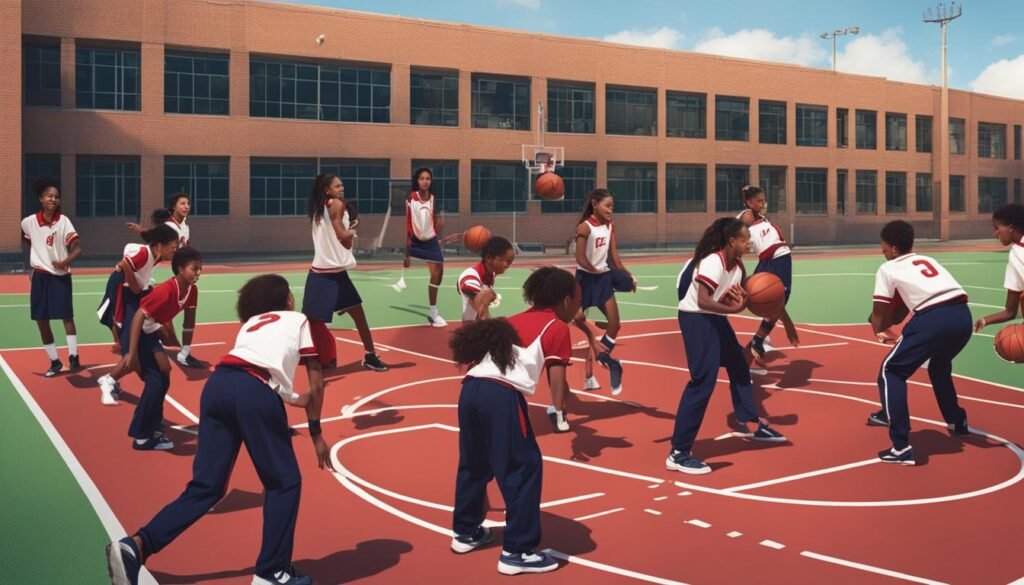
A study conducted in a private high school in Pasig City, Philippines, provides valuable insights into the relationship between sports participation and academic performance among student-athletes. The study examined 173 student-athletes and their level of sports participation and academic achievement.
The findings of the study revealed a significant positive impact of sports participation on academic performance. Students who actively participated in sports demonstrated higher academic achievement compared to their non-athlete counterparts. This correlation can be attributed to various factors, including improved time management skills, enhanced self-discipline, and increased motivation.
The study also highlighted several recommendations to further support student-athletes in their pursuit of both sports and academics. It advocated for schools to orient teachers to provide tasks that recognize and reward student-athletes’ efforts. Coordinating schedules between coaches and academic teachers would also ensure that students can effectively manage their time commitments. Furthermore, aligning learning competencies in academic subjects with physical activities and sports can foster integration and enhance students’ overall development.
Additionally, the study identified the importance of exploring the effect of students’ perception of their role on their level of sports participation. Understanding how students perceive their involvement in sports can provide valuable insights into their motivation, engagement, and overall performance.
In conclusion, sports participation in Filipino high schools has a significant and positive impact on academic performance. By recognizing the value of athletics and implementing strategies to support student-athletes, schools can create an environment that promotes holistic development and fosters success in both sports and academics.
Perceptions of School Support for Academic and Sports Activities
A study conducted in Espiritu Santo Parochial School in Manila, Philippines, delved into the perceptions of students regarding the support provided by the school for academic and sports activities. The study aimed to gain insights into how students perceived the school’s commitment to both areas.
The findings revealed that students felt that the school placed more emphasis on academic activities compared to sports activities. This perception highlighted the need for the school to enhance its support for sports activities to create a more balanced environment for student-athletes.
In order to address this disparity, the study recommended several measures that the school could undertake. It emphasized the importance of promoting and sustaining sports activities through comprehensive training programs, ensuring sufficient training hours for student-athletes, providing access to qualified trainers, and effectively disseminating information about sports activities within the school community.
Creating a balanced learning environment that equally encourages achievements in academics and sports was identified as a crucial aspect of fostering holistic development among students. By offering adequate support in both areas, schools can empower student-athletes to excel in their chosen pursuits while maintaining the necessary commitment to their academic responsibilities.

Benefits of Balancing Academics and Athletic Commitments in Filipino Universities
When it comes to balancing academics and athletic commitments, student-athletes in Filipino universities can reap numerous benefits. Engaging in sports activities not only promotes physical fitness but also has a positive impact on mental health. Regular exercise can reduce stress levels, improve mood, and enhance overall well-being.
Participating in sports also allows student-athletes to develop essential skills such as teamwork and self-discipline. Through collaborative efforts on the field or court, athletes learn how to work together towards a common goal, communicate effectively, and adapt to different situations. These skills translate into the academic realm, fostering better collaboration with classmates and a stronger ability to manage group projects.
Moreover, the dedication and commitment required for athletic training can significantly enhance time management skills. Student-athletes learn to balance their academic responsibilities with rigorous training schedules, effectively managing their time and priorities. This skill becomes invaluable as they navigate through their academic journey and face various challenges.
Furthermore, the determination and goal-setting mindset cultivated through athletics contribute to academic success. Student-athletes understand the importance of setting goals, working hard, and persevering in the face of obstacles. These traits carry over into their academic pursuits, motivating them to strive for excellence and overcome academic challenges.
One often overlooked benefit of balancing academics and athletics is the opportunity for student-athletes to establish themselves as powerful advocates of their own personal brand. Through their athletic achievements and involvement, student-athletes have a unique platform to develop their personal brands and create a positive image. This can open doors to future career opportunities and networks, setting them up for success beyond their academic and athletic endeavors.

In conclusion, balancing academics and athletic commitments in Filipino universities offers an array of benefits for student-athletes. From improved physical and mental health to the development of essential life skills, the synergistic relationship between academics and athletics fosters personal growth and overall well-being. Filipino universities play a pivotal role in supporting student-athletes in their pursuit of academic and athletic excellence, ensuring they have the resources and guidance necessary to thrive in both domains.
Conclusion
Balancing academics and athletic commitments is no easy feat for college athletes in Filipino universities. However, with effective time management, a passion for both sports and studies, and the utilization of campus resources, student-athletes can navigate this challenge and excel in both areas.
Successful time management is key to finding a balance between academics and athletics. By creating comprehensive schedules that include academic responsibilities, athletic training sessions, and commitments arising from NIL deals, student-athletes can ensure they allocate enough time to both pursuits. Leveraging technology and time management apps can also help in staying organized and making the most of a busy day.
Prioritization and goal-setting are crucial in achieving success in both academics and athletics. Student-athletes should prioritize their passion for both areas and set clear goals that align with their personal brand and values. It is important to focus on quality over quantity when considering NIL deals, choosing partnerships that will enhance their personal brand and future career prospects.
Filipino universities also play a vital role in supporting student-athletes in their pursuit of academic and athletic excellence. By encouraging a balanced learning environment and promoting sports activities, universities can contribute to the holistic development of student-athletes. Providing access to campus resources, expert guidance, and training facilities can further support their success.
In conclusion, by effectively balancing academics and athletic commitments, student-athletes in Filipino universities can lay a strong foundation for their future careers while excelling in both areas. With the right strategies and support, they can achieve success and become well-rounded individuals who contribute to their communities.